Table of Contents
US Iran Talks 2026: Trump Pauses Strikes, Deal in Sight
More than five months into one of the most turbulent conflicts the Middle East has experienced in decades, the US-Iran war has reached a pivotal moment — and the next 72 hours could determine whether the world sees a resolution or further escalation.
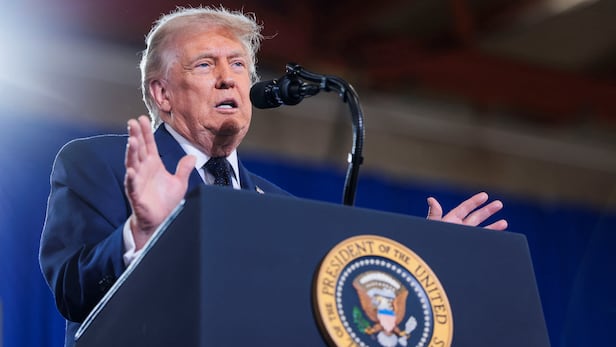
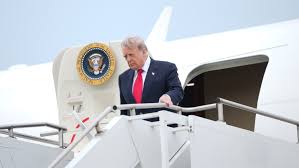
On August 2, 2026, US President Donald Trump announced a halt to military strikes against Iran and confirmed that new negotiations would commence on Monday, August 3. While addressing supporters in Michigan, Trump expressed that there was “a good chance” of making progress in discussions aimed at ending the prolonged fighting, but he also emphasized that military action could be reinstated if the talks do not succeed.
How This War Started — and Where It Stands
Tehran took control of the Strait of Hormuz at the onset of the war, targeting tankers and freighters following the joint US-Israeli airstrikes on February 28, 2026, which ignited the conflict. This strategic waterway, through which about 20% of the world’s daily oil and gas supplies flow, has remained a significant point of contention ever since.
Previous attempts at peace yielded mixed outcomes. The Islamabad Talks in April 2026, organized by Pakistan and spanning 21 hours over three rounds, did not result in an agreement, primarily stalling on the contentious issues surrounding the Strait of Hormuz and Iran’s nuclear ambitions. A ceasefire memorandum of understanding was finally signed on June 17, temporarily reopening the waterway; however, hostilities resumed on July 8, 2026, just weeks after the ceasefire was established, and the Strait of Hormuz has remained closed to navigation ever since.
The August 2 Reversal — What Happened
Trump’s choice to halt strikes came after strong encouragement from Gulf leaders for a diplomatic approach, with Saudi Arabia’s Crown Prince reportedly playing a crucial role in persuading Washington to give negotiations another chance. Trump noted that the input from Gulf leaders had “weighed heavily” on his decision.
Several factors seem to have contributed to the pause beyond just diplomacy — there were internal concerns about the potential risks of further escalation, including the status of US munitions stockpiles in the region. Additionally, the Houthis in Yemen have opened a new front in the Red Sea, complicating the operational landscape.
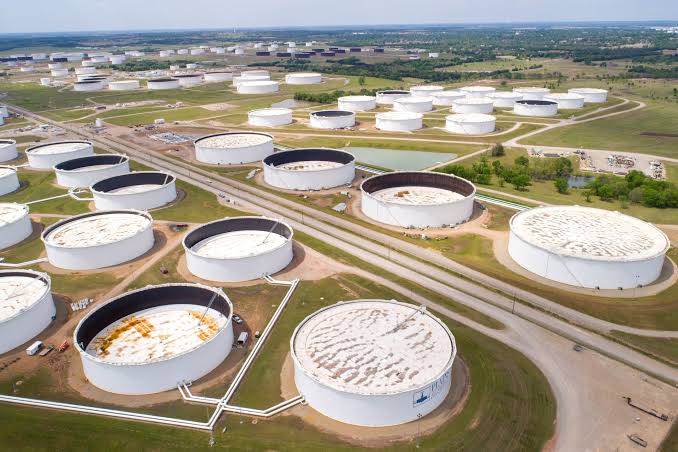
Oil futures reacted sharply to Trump’s announcement — Brent crude dropped about 5.6% to roughly $83 a barrel, while US crude fell 5.5% to around $80 a barrel, as markets responded positively to the possibility of renewed diplomatic efforts.
Iran’s Position: No Direct Talks
Iran has been cautious in how it publicly describes the ongoing diplomatic efforts. Esmail Baghaei, the spokesperson for Iran’s Foreign Ministry, stated that while “mediators may convey messages to us from the American side,” there are no direct negotiations happening. Additionally, Iran and Oman have engaged in separate talks regarding the management of ship traffic in the Strait of Hormuz, but Iran emphasized that reaching a shipping agreement with Oman does not necessarily imply that the Strait will be reopened.
The Roadmap on the Table
The current round of talks builds on a framework agreed at Switzerland talks in June, where the two sides agreed to set up communication lines to keep the Strait of Hormuz open and end fighting in Lebanon, producing what mediators described as a roadmap towards a final deal.
The compromise now being negotiated centres around having Iran manage vessel transit through the Strait of Hormuz with fewer restrictions on ships — a proposal that, if accepted, would mark the most significant breakthrough on the waterway since the conflict began.
Pakistan and Qatar continue to serve as the primary mediators, with Pakistani and Qatari diplomats credited by Iran’s Foreign Minister Abbas Araghchi for delivering “major progress” on key issues including oil and petrochemical export waivers, lifting of the blockade, release of frozen assets, and a reconstruction plan for Iran.
What Happens Next
Talks are continuing into a third day, with the Strait of Hormuz at the centre of negotiations as both sides attempt to salvage the agreement and prevent another round of fighting. Questions remain over whether this latest push can succeed where previous efforts have fallen short — with the Lebanon front, the Red Sea situation, and Iran’s nuclear file all still unresolved in the background.
For now, the guns are quiet — but the clock is ticking. Whether these talks produce the durable peace both sides claim to want, or become another pause before the next escalation, will become clear in the days ahead.
Sources: DD News (Official GoI) · News On Air — All India Radio · Wikipedia — 2026 Iran War Ceasefire · Encyclopedia Britannica — Strait of Hormuz · UK House of Commons Research Briefing
Verified External Links