

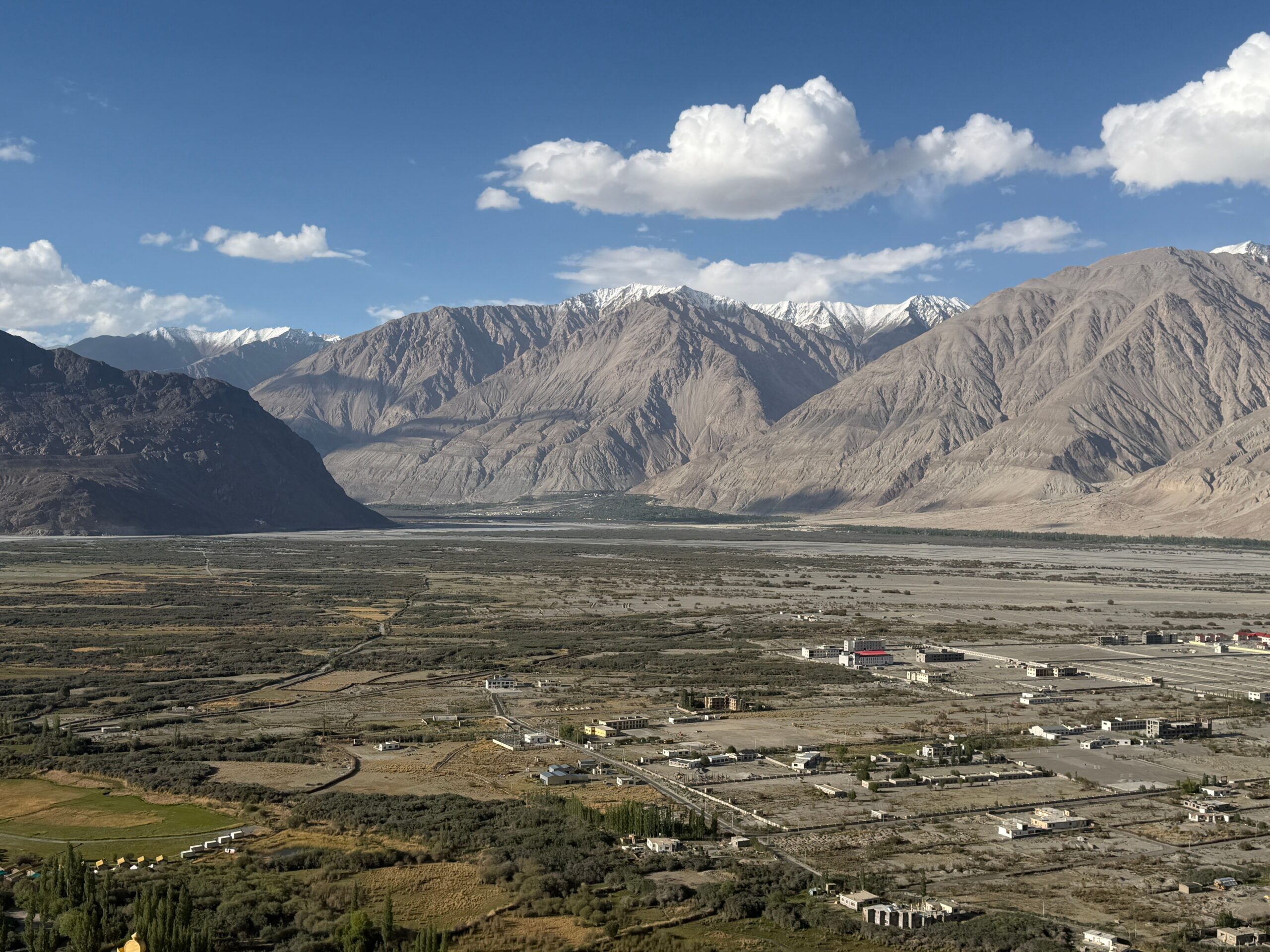
India's geothermal energy story just took a major leap forward - centuries-old hot springs in Ladakh's cold desert have become the foundation for the country's first deep wells built to harness clean power, not oil.
Why Ladakh, of All Places
For generations, the hot springs bubbling up in Puga Valley's frigid desert have been a local wonder-a unique geological feature at 14,000 feet, mostly overlooked beyond Ladakh. However, on July 17, this changed dramatically. Lieutenant Governor VK Saxena initiated India's first geothermal wells at this very site, with the project carried out by ONGC Energy Centre and supported by experts from Iceland - a country that already draws a large share of its own power from geothermal sources.
The Project's Rocky Backstory
The journey to this point was far from easy. The project faced delays after a tripartite agreement involving the Ladakh administration, LAHDC Leh, and ONGC expired, pushing back progress by several months. It wasn't until Saxena took the initiative to renew a five-year MoU in June that work could resume - a reminder that India's geothermal energy ambitions have had to survive real bureaucratic setbacks to get this far.
What Engineers Found 1,000 Metres Down
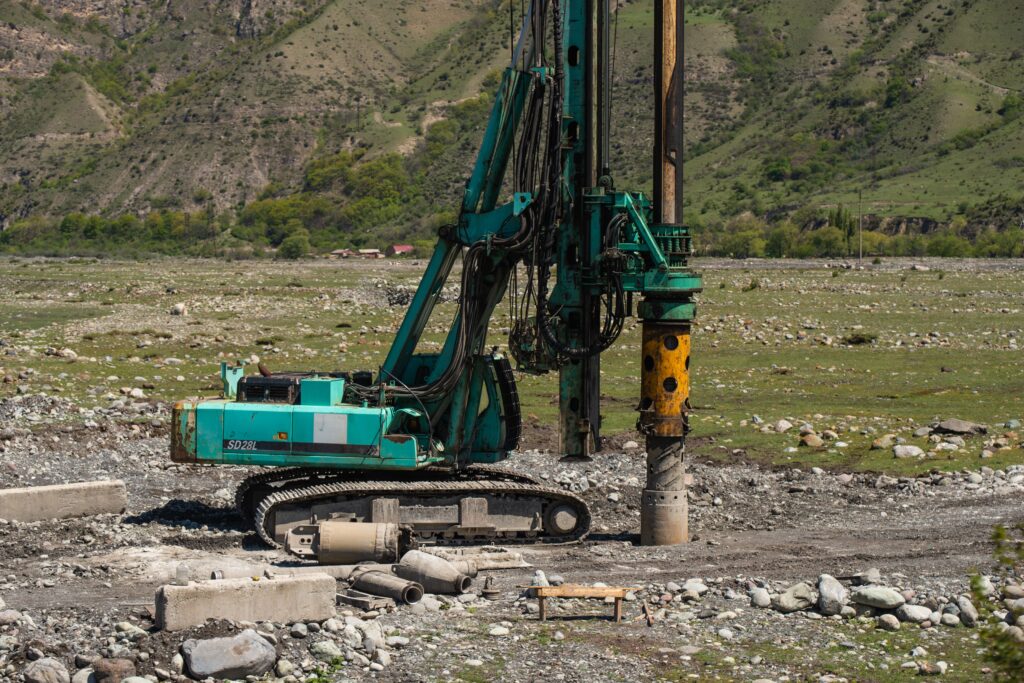
Each well was drilled to a depth of 1,000 metres in a region known for its harsh cold and limited working season. The first well reached its target depth in May, followed by the second in early July-a remarkable achievement completed by ONGC engineers in just over a month. So far, they have recorded temperatures of 135°C at just 400 metres deep, with even higher temperatures anticipated as testing continues.
Unlike solar or wind power, geothermal energy doesn't depend on weather conditions or daylight; it provides a steady, continuous supply drawn directly from the earth. This is exactly why India geothermal energy projects like this one are being watched closely - they promise baseload clean power in a way rooftop solar simply can't. These two wells now lay the groundwork for India's inaugural 1 MW pilot geothermal plant, and if the numbers hold up during testing, it could become a template for other geothermal-rich zones the country hasn't tapped yet, including parts of Chhattisgarh, Jharkhand, and Himachal Pradesh.
Fast Facts: Depth: 1,000m · Altitude: 14,000+ ft · Temp recorded: 135°C at 400m · Capacity: 1 MW pilot · Executing agency: ONGC Energy Centre
India's Geothermal Energy Potential: What Comes Next
Saxena described the project as a model for Ladakh's journey towards carbon neutrality and a significant step towards India's broader net-zero ambitions. The Geological Survey of India estimates that there is approximately 10 GW of untapped geothermal potential across the country-Puga Valley represents the first real opportunity to see if this potential can be harnessed for commercial energy production. For a country racing to expand its clean energy technology base beyond solar and wind, this pilot plant could end up mattering far more than its modest 1 MW size suggests.
Sources: Republic World · Organiser · C4S Courses · News Kerala · Trade.gov
Tags: India, Ladakh, Geothermal Energy, ONGC, Clean Energy 2026




Leave a Comment