The situation in the US-Iran conflict is reaching a critical point, with one nation setting a firm condition. Here’s a straightforward breakdown of the current events.
Table of Contents
The Big Headline
Iran has declared that it will not agree to a final peace deal with the United States unless Israel completely withdraws its forces from Lebanon. This demand has become the primary obstacle between achieving a “ceasefire” and establishing “real peace.”
KhabarX
VisitHow We Got Here
The US-Iran war began in late February 2026 following US and Israeli attacks on Iranian sites. By April, a ceasefire was established between the US and Iran, but hostilities in Lebanon involving Israel and Hezbollah persisted. On June 17, the leaders of the US and Iran signed a memorandum of understanding (MOU), which outlined a 60-day plan to transition the ceasefire into a lasting peace agreement. The first point of the MOU calls for an end to the conflict in Lebanon, but neither Israel nor Hezbollah has signed it.
Where It’s Stuck Right Now
According to Iran’s Foreign Ministry, the presence of Israeli troops in southern Lebanon constitutes a breach of the Lebanon agreement.
Israel remains firm, with its Defense Minister stating that the military “will not withdraw from the security zone” in Lebanon, period.
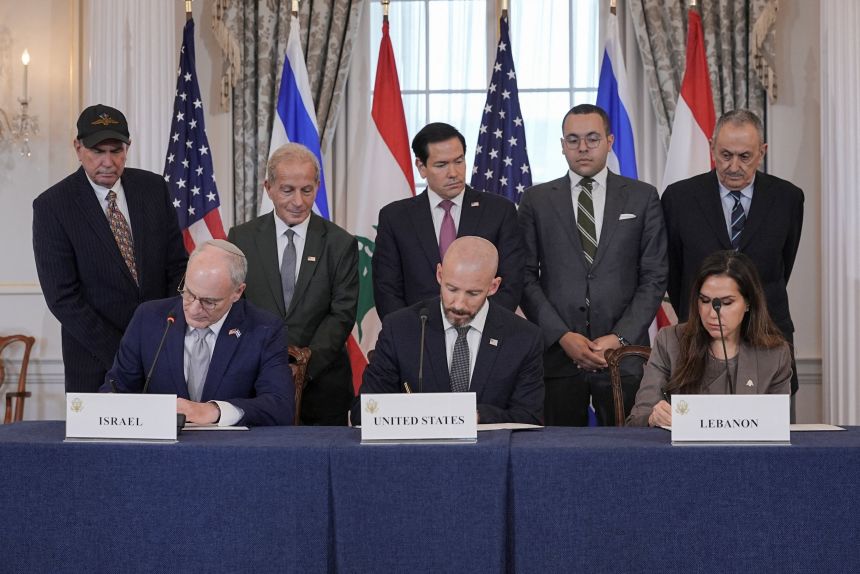
On June 26, Israel and Lebanon signed a separate framework agreement with the US, which Secretary of State Marco Rubio described as a “first step” toward peace, yet reports indicate that strikes on Lebanon resumed shortly after.
Iran has consistently reacted to what it sees as violations by temporarily halting traffic through the Strait of Hormuz, a vital global oil passage.
U.S. Department of State — Joint Statement on Israel-Lebanon Trilateral Meeting
The Real-World Cost
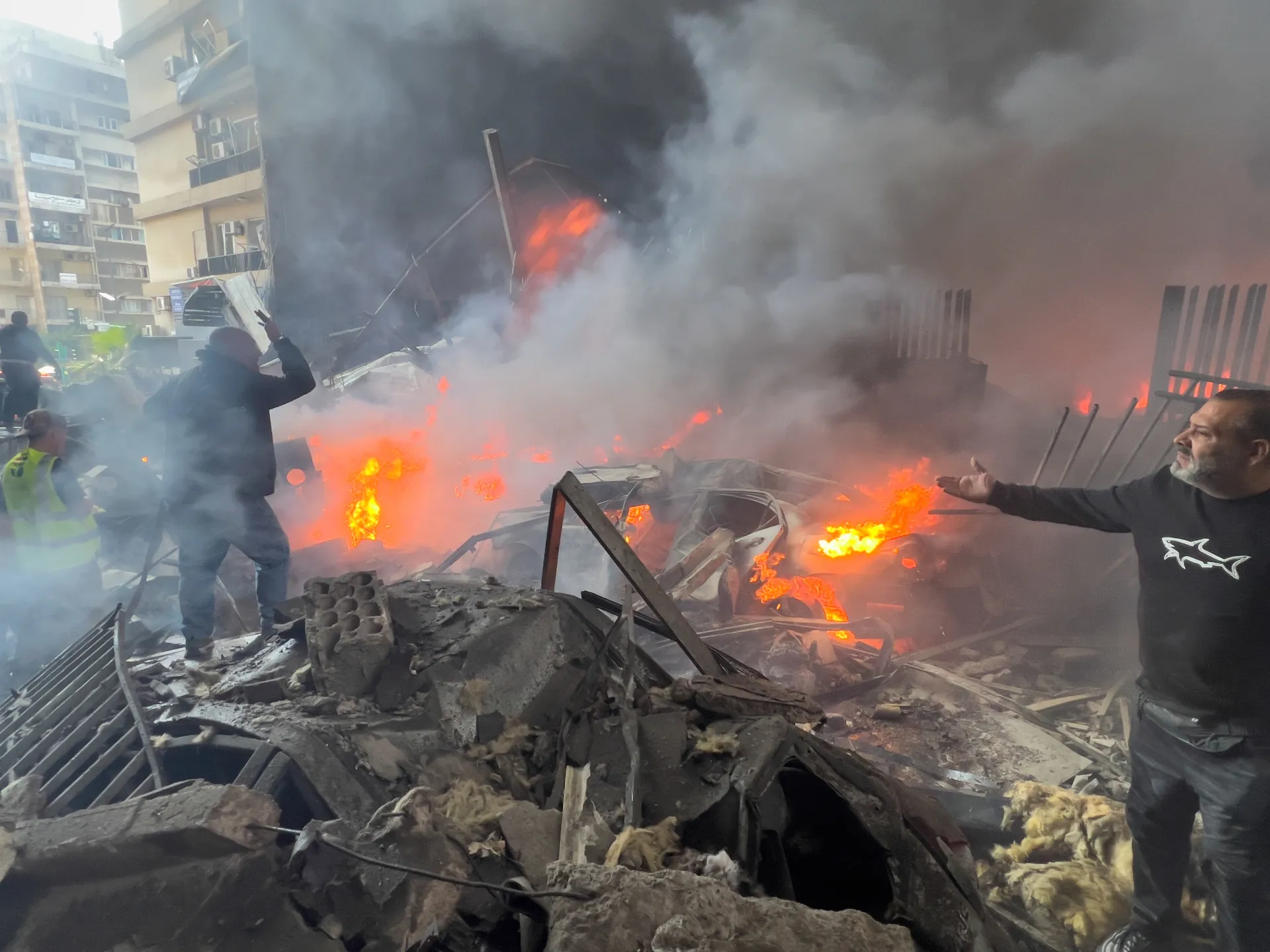
This situation goes beyond mere political debates. The ongoing conflict has resulted in thousands of deaths in Iran and Lebanon, with additional casualties in Israel and Gulf states, displacing millions, including a significant portion of Lebanon’s population. This is the crucial aspect, highlighting why the Lebanon issue is far from a trivial matter.
Who’s Trying to Fix It
Qatar and Pakistan are at the forefront of mediation efforts, facilitating several rounds of discussions in Switzerland between US and Iranian representatives.
Reports indicate that both parties have agreed to establish a “de-confliction cell” aimed at managing the Lebanon crisis and preventing escalations due to miscommunication.
Additionally, US envoy Steve Witkoff is advocating for a parallel approach regarding a potential US-Iran nuclear agreement.
What Happens Next
The 60-day MOU countdown has begun, with the possibility of extension if both parties consent.
However, as long as Israeli forces remain in Lebanon, Iran maintains that no final agreement can be reached. Until this situation changes, we can anticipate more ceasefire breaches, increased disruptions in the Strait of Hormuz, and ongoing diplomatic efforts among Washington, Tehran, and Doha.
In summary, while the US-Iran conflict technically has a ceasefire in place, the terms “ceasefire” and “peace” are proving to be quite distinct, with Lebanon remaining a critical point that has yet to be addressed.
For now, the US Iran war remains locked in an uneasy stalemate — a ceasefire on paper, but far from real peace on the ground. Iran’s unyielding red line on Lebanon, clashing head-on with Israel’s firm refusal to retreat from its security zone, has turned the next 60 days into a high-stakes countdown. Whether this fragile truce hardens into a lasting deal — or collapses into yet another short-lived pause — will be decided not in the conference rooms of Switzerland, but on the volatile ground in Lebanon itself.