

Long before wells were drilled or code was written, a civilization was thriving in organized cities in South India - and the Keeladi excavation has revealed just how ancient it truly is.
What the Keeladi Excavation Actually Found
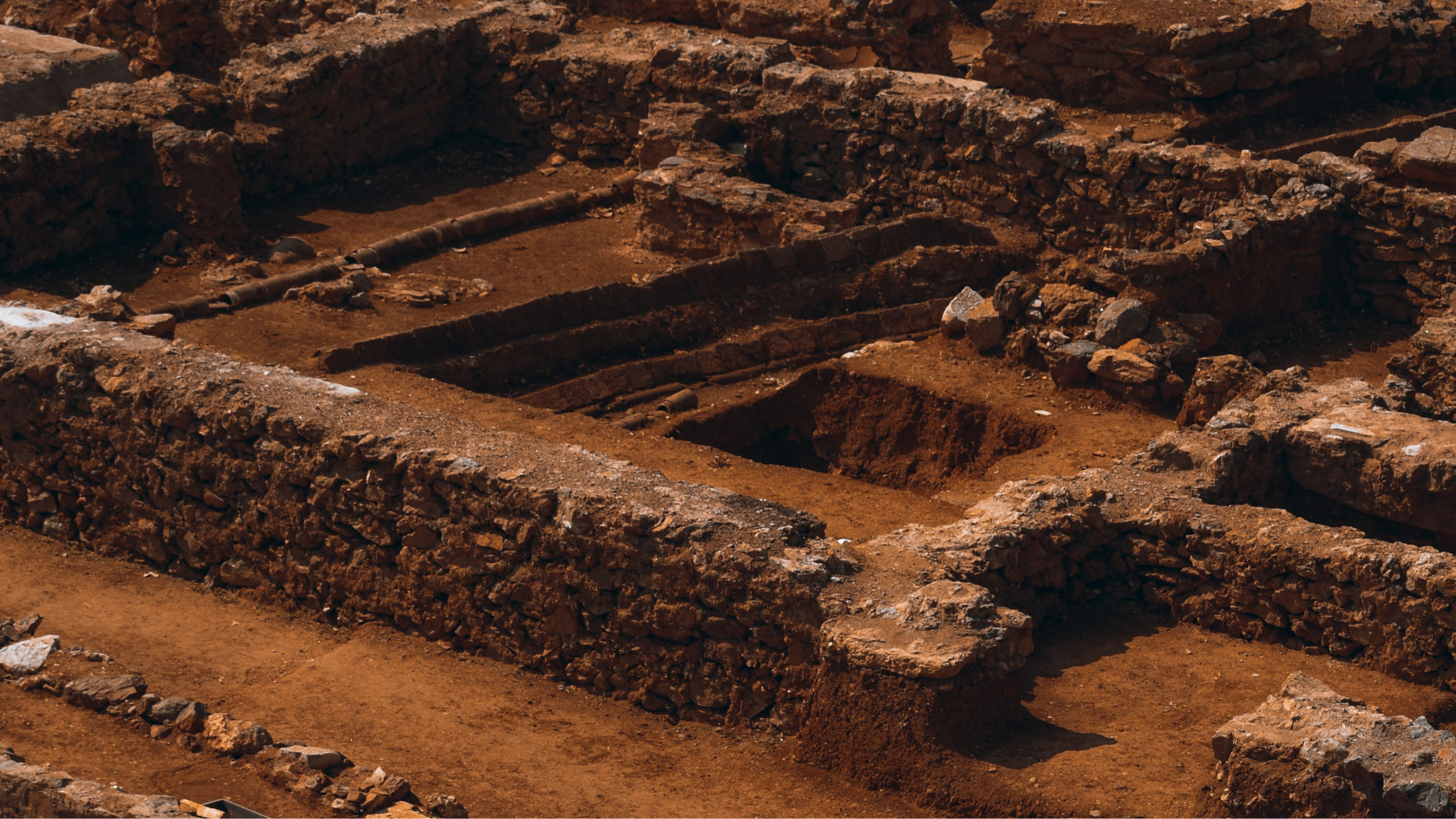
Since the digging began in 2014, archaeologists have unearthed nearly 20,000 artifacts from Keeladi, located in the Vaigai river basin of Tamil Nadu. The discoveries extend far beyond mere pottery shards - they include brick structures, a ring well, drainage systems, and Tamil-Brahmi inscriptions, all indicating a well-planned, literate urban settlement rather than a disorganized village.
How Scientists Dated It
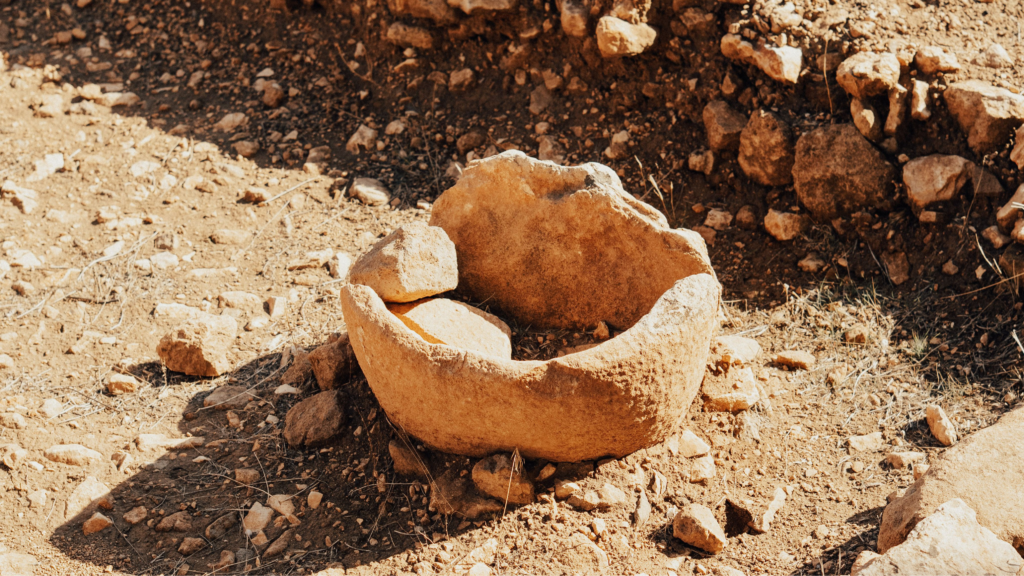
This is where the modern side of the Keeladi excavation comes in. Samples from Keeladi were not just visually estimated - they were sent to laboratories in Pune, Bengaluru, Florida, and Italy for Accelerator Mass Spectrometry (AMS) and carbon dating. Additionally, materials from bricks and roof tiles were analyzed at VIT for their mineral composition. The findings were precise: carbon samples dated the site to around 580 BCE, pushing the age of the Tamil-Brahmi script back a full century earlier than historians had previously thought.
Why the Timeline Keeps Getting Pushed Back
The final excavation report, submitted in 2023, placed the Sangam Age at approximately 800 BCE - significantly earlier than older textbook estimates that primarily focused on the Gangetic plains as the birthplace of early Indian urbanization. The evidence from Keeladi suggests that South India was developing organized settlements around the same time, independently.
Fast Facts: Artifacts recovered: ~20,000 · Oldest carbon date: 580 BCE · Sangam Age estimate: ~800 BCE · Labs involved: Pune, Bengaluru, Florida, Italy · Excavations ongoing since: 2014
Why the Script Matters
The Tamil-Brahmi inscriptions found at Keeladi aren't just decorative - they're graffiti on pottery, likely marking ownership or trade, which tells archaeologists that literacy wasn't confined to elites or religious spaces. Ordinary traders and potters were writing. Combined with evidence of brick kilns, spinning whorls, and terracotta seals, the site paints a picture of a functioning economy with its own administrative habits - separate from, and possibly parallel to, the Mauryan-era urbanization usually taught as India's first major city-building phase. It's also why Sangam-era Tamil literature, long treated as literary tradition with a vague timeline, is now being read alongside physical, datable evidence for the first time.
The Keeladi Excavation Today: What's Next
In March 2026, the Archaeological Survey of India approved new excavations at eight sites, including Keeladi and its surrounding clusters, supported by ₹7 crore in funding - marking the largest single-year excavation initiative in the state in over sixty years. Work is also extending to Keeladi's neighboring sites and a separate underwater survey near Poompuhar, an ancient port city, to explore Tamil Nadu's maritime history.
Sources: Deccan Herald · The News Minute · Tamil Nadu Department of Archaeology
Tags: Keeladi, Archaeology, Tamil Nadu, Ancient India, History





Leave a Comment