

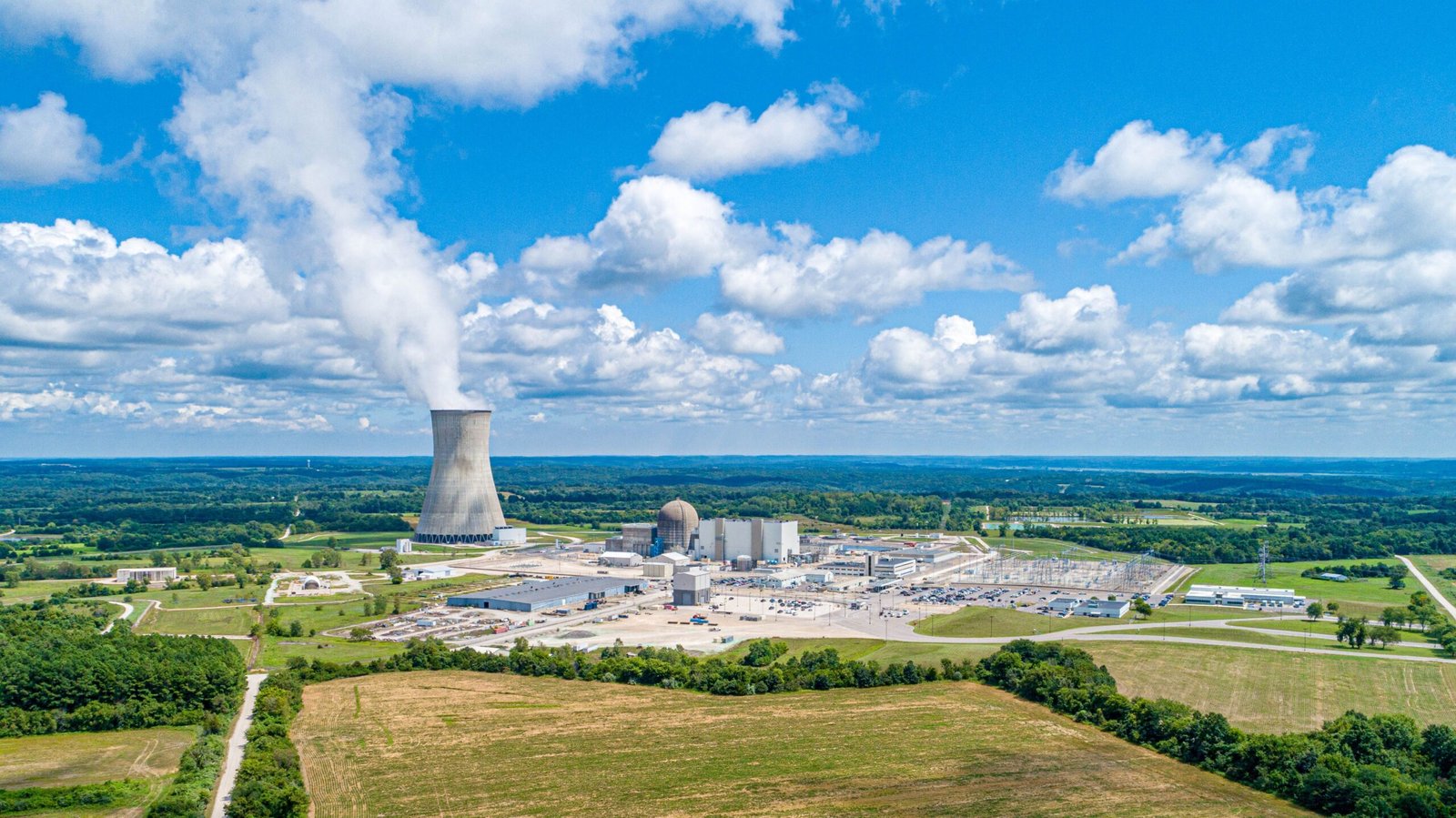
India is making significant strides toward a low-carbon energy grid, entering a transformative phase. Small Modular Reactors India initiatives are replacing the sole reliance on large-scale mega-reactor projects that take decades to complete, allowing the country to decentralize clean nuclear power.

With the launch of the dedicated Nuclear Energy Mission and a capital allocation of ₹20,000 crore, the Department of Atomic Energy (DAE) and Bhabha Atomic Research Centre (BARC) are speeding up the deployment of homegrown compact reactors aimed at enhancing domestic manufacturing, promoting green hydrogen, and facilitating heavy industrial decarbonization.
What Are Small Modular Reactors India Systems?
SMRs are advanced nuclear fission reactors capable of generating up to 300 MWe per unit, which is about one-third of what traditional gigawatt-scale nuclear plants produce. Unlike conventional plants that require extensive land, thousands of construction workers, and billions in upfront costs, SMRs are prefabricated in factories and transported directly to their operational sites.
Their smaller size significantly reduces the required safety exclusion zone from over 1.5 km to around 0.5 km. Importantly, SMRs utilize passive safety systems that depend on gravity and natural convection instead of active pumps, enabling reactors to safely shut down without human intervention or external power during emergencies.
India's Indigenous Lineup: BSMR-200 and SMR-55
India's roadmap for Small Modular Reactors includes two key indigenous designs developed collaboratively by BARC and the Nuclear Power Corporation of India Limited (NPCIL):
- Bharat Small Modular Reactor (BSMR-200): A 220 MWe pressurized heavy-water reactor (PHWR) adaptation engineered specifically for captive commercial power and high-heat industrial processes.
- SMR-55: A 55 MWe ultra-compact unit designed for flexible local grid support and isolated regional infrastructure.
- High-Temperature Gas-Cooled Reactor (HTGCR): A specialized 5 MWth design targeting green hydrogen generation and high-temperature chemical manufacturing.
Indian metallurgy has reached a significant milestone with the development of ApuRVA (Advanced Purified Reactor Vessel Alloy), which allows for the domestic production of pressure vessels without relying on foreign supply chains. Lead demonstration units are set to be built at existing nuclear facilities, including the historic Tarapur Atomic Power Station in Maharashtra.
Why Small Modular Reactors India Overcome Industrial Bottlenecks
As solar and wind energy continue to grow in India, they fall short of providing the constant, 24/7 baseline heat required by heavy industries like steel, cement, and chemical refining.
The Small Modular Reactors (SMRs) India program addresses this challenge by offering:
- Captive Industrial Heat: SMRs can be situated next to steel mills and aluminum smelters, delivering high-temperature process steam to replace coal-fired boilers.
- Shorter Construction Cycles: Modular factory fabrication reduces build times to 60–72 months, compared to the decade or more needed for traditional nuclear plants
- Private Sector Integration: Recent policy changes facilitate public-private partnerships, enabling private industrial groups to co-invest in dedicated nuclear power generation.
Repurposing Coal Plants: The 2047 100 GW Roadmap
One of the most promising strategies for deploying SMRs in India is "nuclear repurposing." As older thermal coal plants are set to retire over the next two decades, their existing grid connections, cooling water systems, and turbine islands can be retrofitted to utilize compact SMR steam supplies.
According to government energy projections, scaling SMR technology alongside traditional 700 MWe heavy-water units could increase India’s nuclear capacity from approximately 8.8 GW today to 100 GW by 2047. For more insights on India's infrastructure advancements, check out our report on the breakthrough wells in geothermal energy.




Leave a Comment